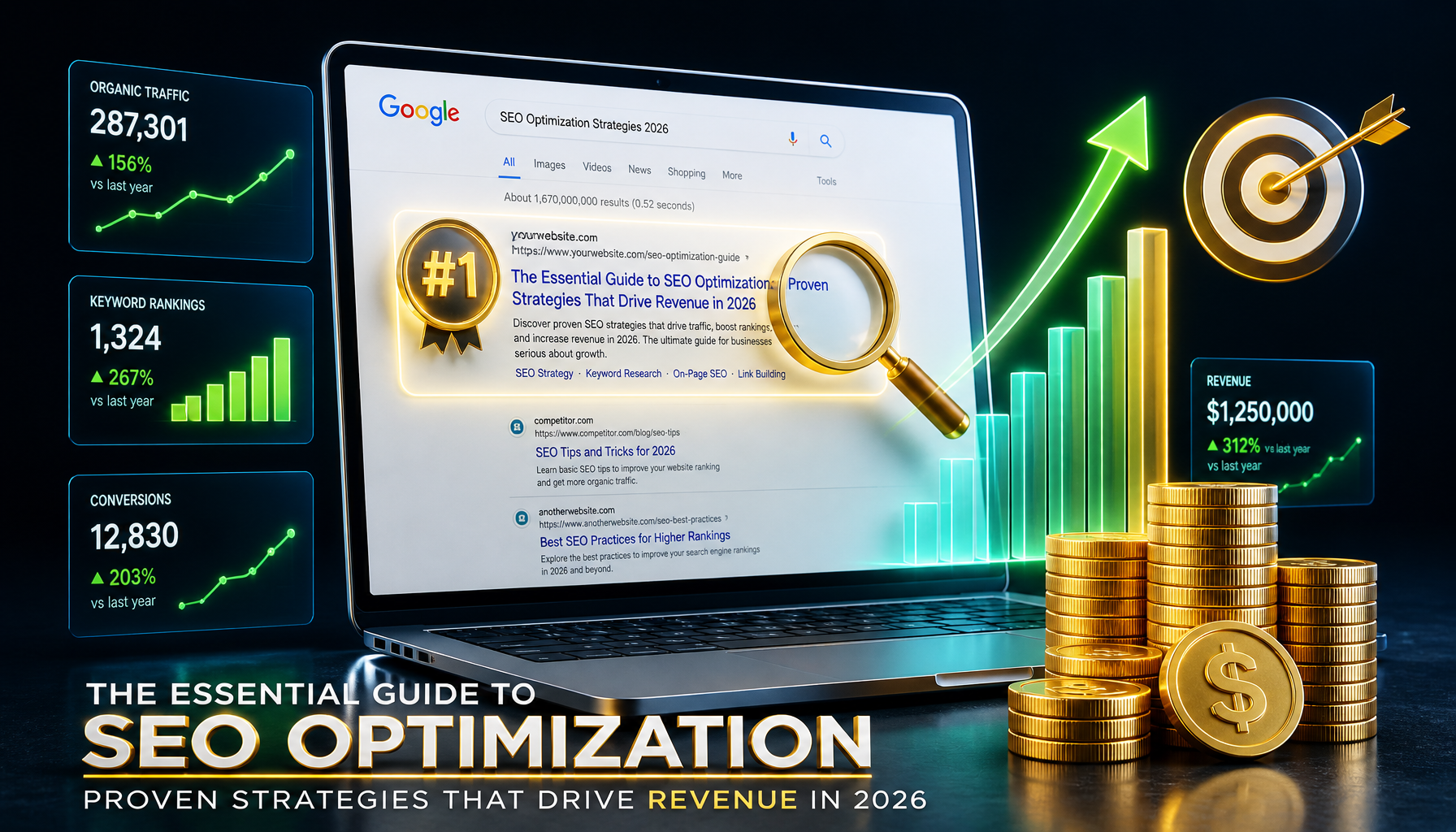
Understanding SEO Optimization in 2026
In today’s digital landscape, SEO optimization has become more critical than ever. As businesses transition into 2026, understanding the nuances of SEO is essential for driving traffic and revenue. SEO entails optimizing your website and content to enhance visibility in search engine results pages (SERPs). The changing algorithms of major search engines like Google necessitate a proactive approach to SEO. Companies that adapt to these changes will not only survive but thrive.
SEO optimization encompasses various strategies, including keyword research, on-page SEO, technical SEO, link building, and content marketing. Each element plays a vital role in ensuring that your website attracts the right audience and converts visitors into customers. With 2026 approaching, let’s delve into effective SEO strategies that can help you stay ahead in the competitive digital marketplace.
Key Components of Effective SEO
1. Keyword Research
Keyword research is the cornerstone of any successful SEO strategy. It involves identifying the terms and phrases that potential customers use when searching for products or services like yours. The right keywords can significantly impact your visibility in search results. Tools like Google Keyword Planner and Ahrefs can help you uncover high-volume, low-competition keywords that provide opportunities for ranking.
Once you’ve identified your target keywords, it’s essential to strategically incorporate them into your website content. This includes using keywords in titles, headings, meta descriptions, and throughout the body text. However, keyword stuffing can lead to penalties from search engines, so it’s crucial to maintain a natural flow in your writing.
2. On-Page SEO Techniques
On-page SEO refers to the optimization of individual pages on your website to rank higher and earn relevant traffic. This includes optimizing title tags, meta descriptions, header tags, and images. Each element should support your overall SEO goals by incorporating keywords effectively.
Additionally, content quality is paramount. High-quality, engaging, and informative content encourages users to spend more time on your site, decreases bounce rates, and increases conversions. Regularly updating your content and ensuring it is relevant helps maintain your rankings over time.
3. Technical SEO
Technical SEO focuses on improving the infrastructure of your website. This includes site speed, mobile-friendliness, and secure connections (HTTPS). Google prioritizes websites that offer a seamless user experience, so ensuring your site is fast and accessible on all devices is crucial.
Moreover, implementing structured data can enhance your search visibility by helping search engines understand your content better. This can lead to rich snippets, which often result in higher click-through rates.
Link Building Strategies
The Importance of Backlinks
Backlinks are links from other websites to your site and are a significant factor in how Google ranks pages. They serve as a vote of confidence, indicating that your content is valuable and relevant. Building a robust backlink profile requires effort and strategy.
Effective link-building strategies include guest blogging, influencer outreach, and creating shareable content. By providing valuable information that others want to link to, you can naturally grow your backlink profile. Monitoring your backlinks and ensuring they come from reputable sources is also essential to avoid penalties from search engines.
Measuring Your SEO Success
To understand the effectiveness of your SEO strategies, it’s crucial to monitor key performance indicators (KPIs) such as organic traffic, bounce rates, and conversion rates. Tools like Google Analytics and Google Search Console can provide valuable insights into how users interact with your site.
By analyzing this data, you can identify which strategies are working and which need adjustment. Continuously refining your approach based on measurable results will enhance your overall SEO performance.
The Role of Content Marketing in SEO Optimization
Creating Valuable Content
Content marketing is a powerful tool for enhancing your SEO efforts. Producing high-quality, informative content that addresses your audience’s pain points can establish your brand as an authority in your industry. This not only attracts organic traffic but also encourages sharing and linking.
Consider developing a content calendar that aligns with your SEO goals. This ensures a consistent flow of fresh, relevant content that keeps your audience engaged and coming back for more. Additionally, utilizing various content formats—such as blogs, videos, infographics, and podcasts—can cater to different audience preferences and further expand your reach.
Utilizing Social Media for SEO
Social media platforms are an excellent channel for promoting your content and enhancing your SEO efforts. Sharing your blog posts, videos, and other content on platforms like Facebook, Twitter, and LinkedIn can drive traffic to your website and increase visibility.
Engaging with your audience on social media also fosters relationships and encourages user-generated content, which can lead to valuable backlinks. The more your content is shared, the higher the likelihood of earning organic backlinks, enhancing your overall SEO strategy.
Google Ads vs. SEO: Where to Invest?
When devising a digital marketing strategy, businesses often grapple with choosing between Google Ads and SEO. While both have their merits, understanding their differences can help you allocate resources effectively.
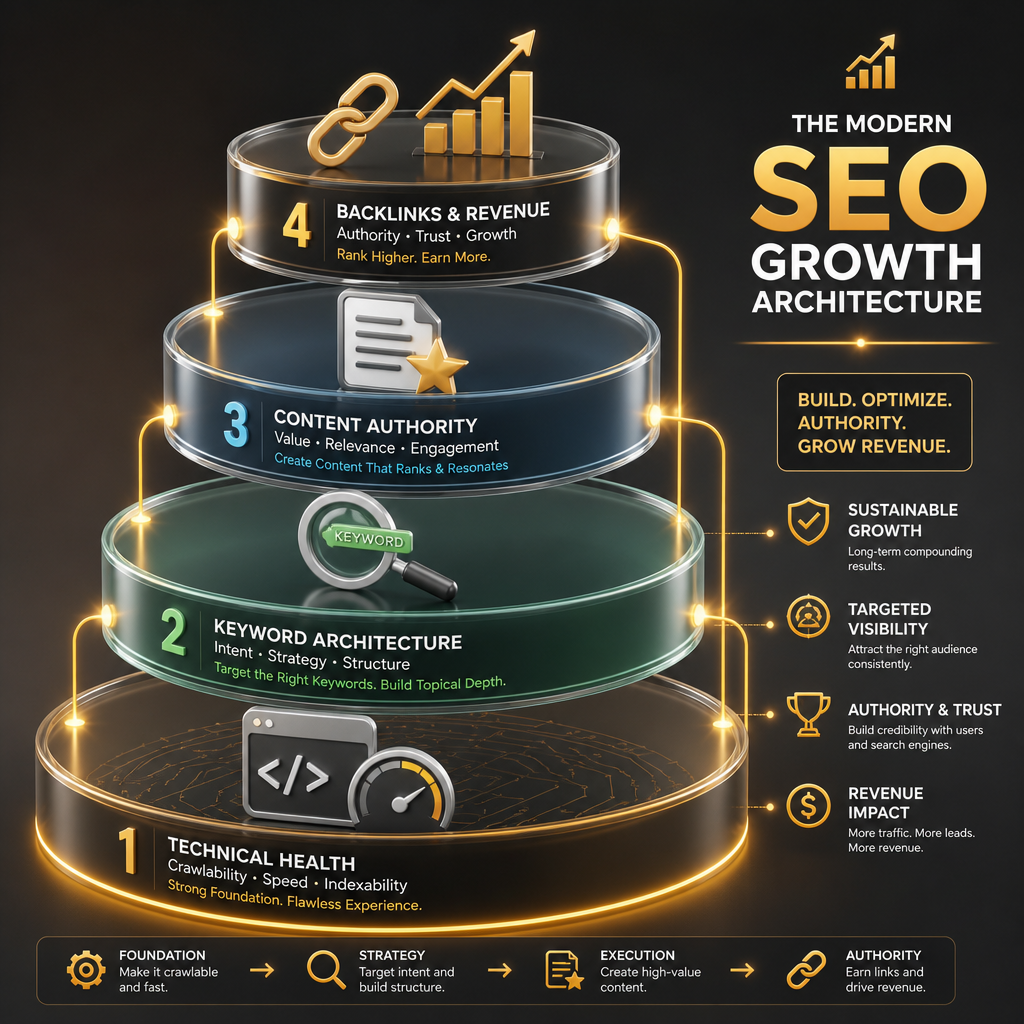
Google Ads provide immediate visibility on search engines, allowing businesses to reach their target audience quickly. However, this comes at a cost, and ongoing investment is necessary to maintain visibility. On the other hand, SEO is a long-term strategy that can result in sustainable traffic over time without continuous payment for clicks.
Ultimately, a balanced approach that incorporates both SEO and Google Ads may yield the best results. By leveraging the strengths of each, businesses can enhance their online presence and drive revenue effectively.
Real-World Case Study: Successful SEO Implementation
To illustrate the effectiveness of SEO optimization, consider the case of a mid-sized e-commerce company that implemented a comprehensive SEO strategy in 2025. Initially, the company was generating $50,000 in monthly revenue with a website that had limited traffic and visibility.
By investing in keyword research, enhancing their on-page SEO, and creating high-quality content, the company improved its organic traffic by 300% within six months. This increase in traffic led to a 200% rise in their monthly revenue, bringing it to $150,000. Additionally, the implementation of a backlink strategy resulted in earning links from reputable industry sites, further boosting their credibility and rankings.
This case demonstrates the potential ROI of investing in SEO optimization. By strategically implementing proven methodologies, businesses can see significant improvements in traffic and revenue, validating the importance of a well-rounded SEO approach.
Troubleshooting Common SEO Issues
Identifying and Fixing SEO Problems
Despite the best efforts, businesses may encounter various SEO challenges. Common issues include slow site speed, broken links, and duplicate content. Regularly auditing your website can help you identify these problems early on.
Tools like Screaming Frog and SEMrush can assist in conducting thorough audits, allowing you to pinpoint issues affecting your SEO performance. Once identified, addressing these problems promptly can prevent further declines in rankings and traffic.
Costly Mistakes to Avoid
Several mistakes can hinder your SEO efforts. One of the most significant is neglecting mobile optimization. With an increasing number of users accessing websites on mobile devices, ensuring that your site is mobile-friendly is crucial. Failure to do so can result in lost traffic and opportunities.
Another common mistake is overlooking local SEO if your business serves a specific geographic area. Optimizing for local search can significantly enhance visibility among local customers. This includes claiming your Google My Business listing, ensuring consistency in NAP (Name, Address, Phone Number) data, and gathering customer reviews.
Frequently Asked Questions
1. How long does it take to see results from SEO optimization?
SEO is a long-term strategy, and results typically take time to materialize. On average, businesses may start to see noticeable improvements in traffic and rankings within three to six months of implementing SEO changes. However, this can vary based on competition, industry, and the effectiveness of your strategies.
2. Is SEO different from digital marketing?
Yes, SEO is a subset of digital marketing focused specifically on optimizing content to improve visibility in search engines. Digital marketing encompasses a broader range of strategies, including social media marketing, email marketing, and paid advertising.
3. Can I do SEO on my own, or should I hire a professional?
While some basic SEO tasks can be performed independently, hiring a professional or agency can significantly enhance your results. SEO specialists have the expertise and tools to implement effective strategies tailored to your business, saving you time and increasing the likelihood of success.
4. What role does social media play in SEO?
Social media can indirectly influence SEO by driving traffic to your site and increasing brand awareness. While social signals are not a direct ranking factor, the engagement generated from social media can lead to backlinks and improved visibility in search results.
5. How often should I update my SEO strategy?
SEO is an ongoing process, and regular updates are essential to adapting to changes in algorithms and user behavior. It’s recommended to conduct a review of your SEO strategy every six months to ensure it remains effective and aligned with your business goals.
