1. Evolution, Background & Modern Context of Performance-Driven Marketing
The concept of Performance-Driven Marketing has evolved significantly, especially with the digital transformation sweeping across industries. Originating as a method to quantitatively measure marketing success, it has grown to encompass a broader spectrum of data-driven strategies aimed at maximizing efficiency and results. In early iterations, marketers primarily focused on metrics such as click-through rates and lead generation. However, today’s landscape requires a deeper integration of analytics, consumer insights, and adaptive content strategies.
In the current context, particularly within markets like India, the USA, and the United Kingdom, the demand for accountable marketing spending has accelerated. Businesses now expect tangible, measurable outcomes from their marketing investments. This shift is largely driven by the increased availability of data and sophisticated analytics tools, which allow marketers to track and optimize their campaigns in real-time. As a result, performance-driven marketing has become a cornerstone in achieving competitive advantage and sustainable growth. Industry benchmark data and comparative frameworks from Google Search Central documentation reaffirm the critical value of systematic execution.
At its core, Performance-Driven Marketing relies on several foundational principles. First, the focus is on measurable outcomes, typically through key performance indicators (KPIs) such as conversion rates, customer acquisition costs, and lifetime value. Conversion rate optimization plays a critical role in this framework, as it emphasizes improving the effectiveness of marketing efforts to convert prospects into customers.
Another essential element is the use of data analytics to inform decision-making. This involves leveraging digital marketing tactics that are tailored to specific audience segments and optimizing based on consumer feedback and engagement metrics. Furthermore, developing ROI strategies that align marketing objectives with business goals ensures that every marketing dollar spent contributes to the company’s bottom line.
3. Comprehensive In-Depth Guide to Performance-Driven Marketing
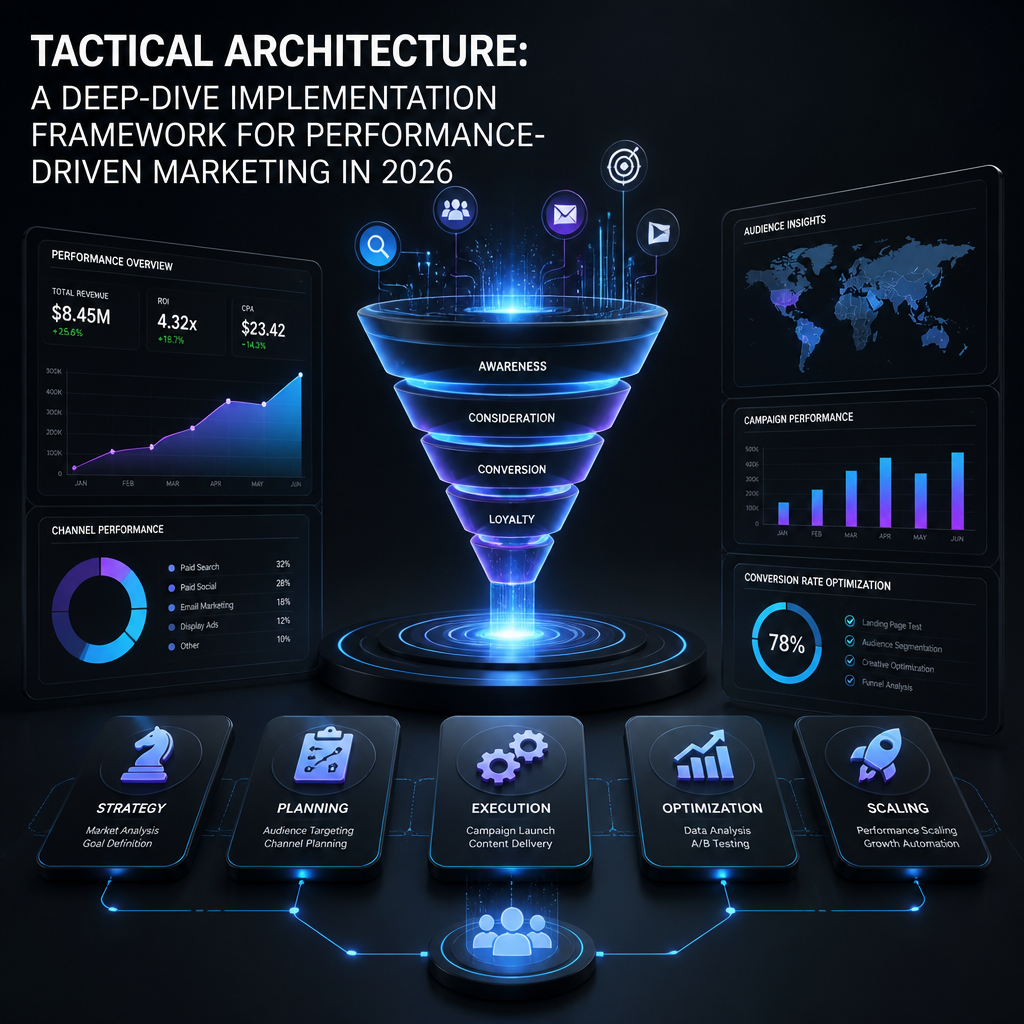
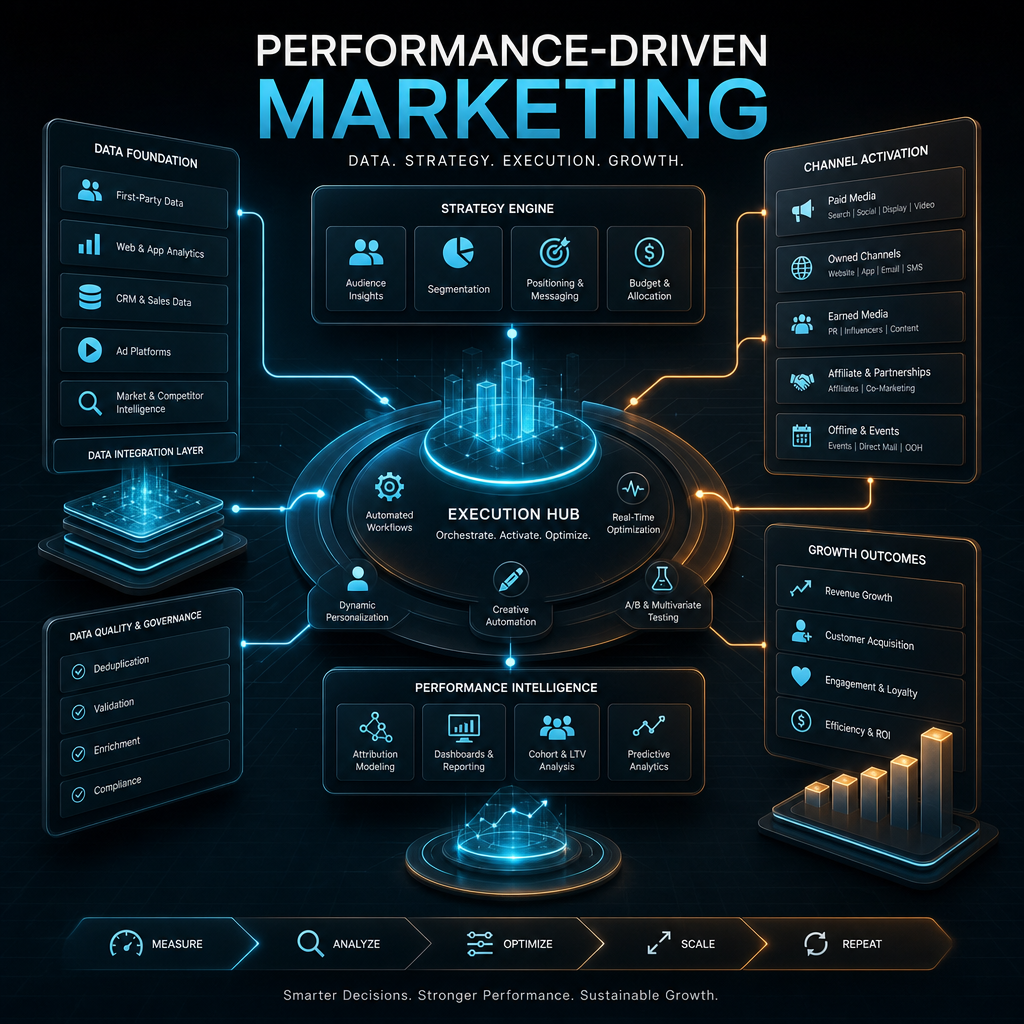
Figure 1: Strategic Architecture & Execution Blueprint for Performance-Driven Marketing
Implementing a successful Performance-Driven Marketing strategy involves a detailed framework of steps. Firstly, businesses must establish clear objectives and KPIs that are aligned with their overall strategic goals. This could range from increasing brand awareness to enhancing customer engagement or driving e-commerce growth.
Next, a thorough analysis of the market dynamics and consumer behavior within the target regions—such as India, the USA, and the UK—should be conducted. Understanding local nuances, cultural preferences, and purchasing patterns can significantly influence campaign design and execution. Empirical studies and authoritative industry methodologies are documented extensively by Search Engine Journal best practices.
Following the analysis, the deployment of targeted digital marketing tactics becomes essential. These tactics should be data-driven and constantly refined through real-time analytics. Tools like Google Analytics, social media insights, and customer feedback loops are invaluable in this process. Finally, an iterative approach to campaign management, where strategies are continuously tested and optimized, will ensure that marketing efforts remain aligned with shifting market trends and consumer expectations.
One of the specialized techniques in Performance-Driven Marketing is the use of predictive analytics to forecast consumer trends and behavior. This advanced consideration allows marketers to anticipate shifts in the market and adjust their strategies proactively. For instance, in the fast-paced markets of India and the USA, staying ahead of consumer trends can provide a significant competitive edge.
Moreover, integrating AI and machine learning into marketing strategies can enhance customer personalization and engagement. By analyzing large datasets, AI can provide insights into customer preferences and predict future buying patterns, allowing for more targeted and effective campaigns. Additionally, leveraging automation in campaign management can streamline processes and improve efficiency, a topic further explored in our article on Maximizing ROI with AI Automation.
5. Practical Benefits, Value & Tangible Outcomes
The benefits of adopting a Performance-Driven Marketing approach are manifold. Firstly, it ensures that marketing budgets are allocated effectively, focusing on high-impact activities that deliver measurable results. Businesses can achieve higher conversion rates and improved ROI, critical for sustaining competitive advantage in saturated markets like the USA and the UK. For detailed global standards and foundational research, consult the comprehensive guidance published by Moz SEO Learning Center.
Additionally, performance-driven strategies enhance customer engagement through personalized marketing efforts. By understanding and addressing specific consumer needs, companies can foster stronger relationships with their audiences. This approach also allows for agile marketing strategies that can adapt to changes in the market or consumer preferences, ensuring long-term sustainability and growth.
6. Real-World Applications & Practical Case Study
To illustrate the application of Performance-Driven Marketing, consider the case of a leading e-commerce company in India. Facing fierce competition, the company aimed to boost its market share by enhancing customer engagement and optimizing its marketing spend. By implementing a data-driven marketing strategy, the company was able to segment its audience based on purchasing behavior and tailor its campaigns accordingly.
The use of predictive analytics allowed the company to identify emerging trends and adjust its product offerings and marketing messages in real-time. As a result, they saw a 30% increase in conversion rates and a significant reduction in customer acquisition costs. This case exemplifies how performance-driven marketing can drive tangible business outcomes by leveraging data and analytics to inform strategic decisions.
For businesses looking to implement Performance-Driven Marketing, the following checklist can serve as a practical guide: Analytical data and long-term sector trend analysis can be further evaluated through W3C Web Standards.
Define Objectives: Establish clear marketing goals that align with business objectives.
Identify KPIs: Select key performance indicators that will measure the success of your marketing efforts.
Conduct Market Research: Analyze consumer behavior and market dynamics in your target regions.
Develop Data-Driven Tactics: Use consumer insights to craft targeted marketing strategies.
Implement Analytics Tools: Leverage tools like Google Analytics to track performance and gather insights.
Optimize and Iterate: Continuously test and refine your strategies based on performance data.
By following this playbook, companies can systematically approach their marketing initiatives, ensuring that every action is strategically aligned and data-informed.
8. Common Mistakes, Misconceptions & Critical Pitfalls to Avoid
In the realm of Performance-Driven Marketing, several common misconceptions can hinder success. One frequent mistake is over-reliance on a single metric, such as click-through rate, without considering the broader impact on customer engagement or brand loyalty. It is essential to adopt a holistic view of performance metrics, ensuring a balanced assessment of marketing effectiveness.
Another pitfall is neglecting the importance of continuous optimization. Markets like the USA and the UK are dynamic, and consumer preferences can shift rapidly. Failing to adapt marketing strategies in response to these changes can result in missed opportunities and diminished returns.
Lastly, some businesses may underestimate the value of integrating advanced technologies, such as AI and machine learning, into their marketing efforts. Embracing these innovations can significantly enhance the precision and impact of performance-driven marketing, as discussed in our guide on Mastering SEO & Content Writing in 2026.
9. Frequently Asked Questions (FAQ)
What is Performance-Driven Marketing?
Performance-Driven Marketing is a strategic approach that focuses on achieving measurable outcomes from marketing activities. It involves using data analytics and key performance indicators (KPIs) to guide marketing strategies, ensuring that every action contributes to business objectives. This approach is crucial for maximizing ROI and enhancing customer engagement in competitive markets.
How does Conversion Rate Optimization fit into Performance-Driven Marketing?
Conversion Rate Optimization (CRO) is a fundamental aspect of Performance-Driven Marketing. It involves testing and refining various elements of a marketing strategy to increase the percentage of visitors who complete desired actions, such as making a purchase or signing up for a newsletter. CRO ensures that marketing efforts are as effective as possible in driving conversions, thereby improving overall campaign performance.
Why is data analytics important in Performance-Driven Marketing?
Data analytics is vital in Performance-Driven Marketing because it provides insights into consumer behavior and campaign effectiveness. By analyzing data, marketers can identify trends, measure the success of their strategies, and make informed adjustments to improve outcomes. This data-driven approach enables marketers to optimize their efforts and achieve better results in terms of ROI and customer engagement.
What role does consumer behavior play in Performance-Driven Marketing?
Understanding consumer behavior is crucial in Performance-Driven Marketing, as it informs the development of targeted strategies that resonate with specific audience segments. By analyzing purchasing patterns, preferences, and feedback, marketers can tailor their messages and offers, resulting in more effective and engaging campaigns. This focus on consumer behavior helps businesses meet the needs and expectations of their customers more effectively.
How can businesses in India, the USA, and the UK benefit from Performance-Driven Marketing?
Businesses in India, the USA, and the UK can benefit from Performance-Driven Marketing by achieving greater efficiency and effectiveness in their marketing efforts. In these competitive markets, a performance-driven approach allows businesses to allocate resources more strategically, optimize their campaigns for better ROI, and build stronger relationships with their customers through personalized engagement. This approach ensures that marketing investments deliver maximum value and support sustainable growth.
10. Conclusion and Expert Recommendations
As we look toward 2026, adopting Performance-Driven Marketing strategies will be crucial for businesses aiming to thrive in increasingly competitive environments. By leveraging data analytics, focusing on conversion rate optimization, and integrating advanced technologies, companies can enhance their marketing efforts and achieve significant ROI improvements.
For businesses seeking to implement these strategies, it is essential to remain agile and responsive to market changes, continuously optimizing and refining their approaches. To learn more about how you can enhance your marketing strategies and achieve success, visit gabbarinfo_digital_solutions for expert insights and strategic guidance.