1. Evolution, Background & Modern Context of AI Automation
AI Automation has undergone a significant evolution, transforming from a niche technological concept to a mainstream business tool. Initially, automation technologies were limited to simple, rule-based tasks. However, with the advent of advanced AI capabilities, automation now integrates machine learning and natural language processing, enabling more complex decision-making processes. In the modern context, AI Automation is pivotal for enhancing efficiency and productivity across various sectors.
In India, the USA, and the United Kingdom, the integration of AI Automation is reshaping industries from manufacturing to finance. The deployment of AI-driven solutions in these regions is driven by the need to streamline operations and reduce costs. As businesses strive for digital transformation, AI Automation offers the potential to redefine how tasks are performed, leading to substantial improvements in operational efficiency. Industry benchmark data and comparative frameworks from Google Search Central documentation reaffirm the critical value of systematic execution.
The core foundations of AI Automation lie in its ability to learn from data, adapt to new inputs, and execute tasks with minimal human intervention. Key principles include machine learning, which allows systems to improve over time, and natural language processing, which enables systems to understand and respond to human language. To discover complementary frameworks and practical approaches, review our analysis on Mastering SEO & Content Writing in 2026: A Comprehensive Guide.
Methodologies such as deep learning and neural networks are integral to developing sophisticated AI models. These technologies enable automation frameworks to handle complex tasks, ranging from predictive analytics to customer service automation. Understanding these foundational elements is crucial for businesses aiming to leverage AI Automation effectively.
3. Comprehensive In-Depth Guide to AI Automation
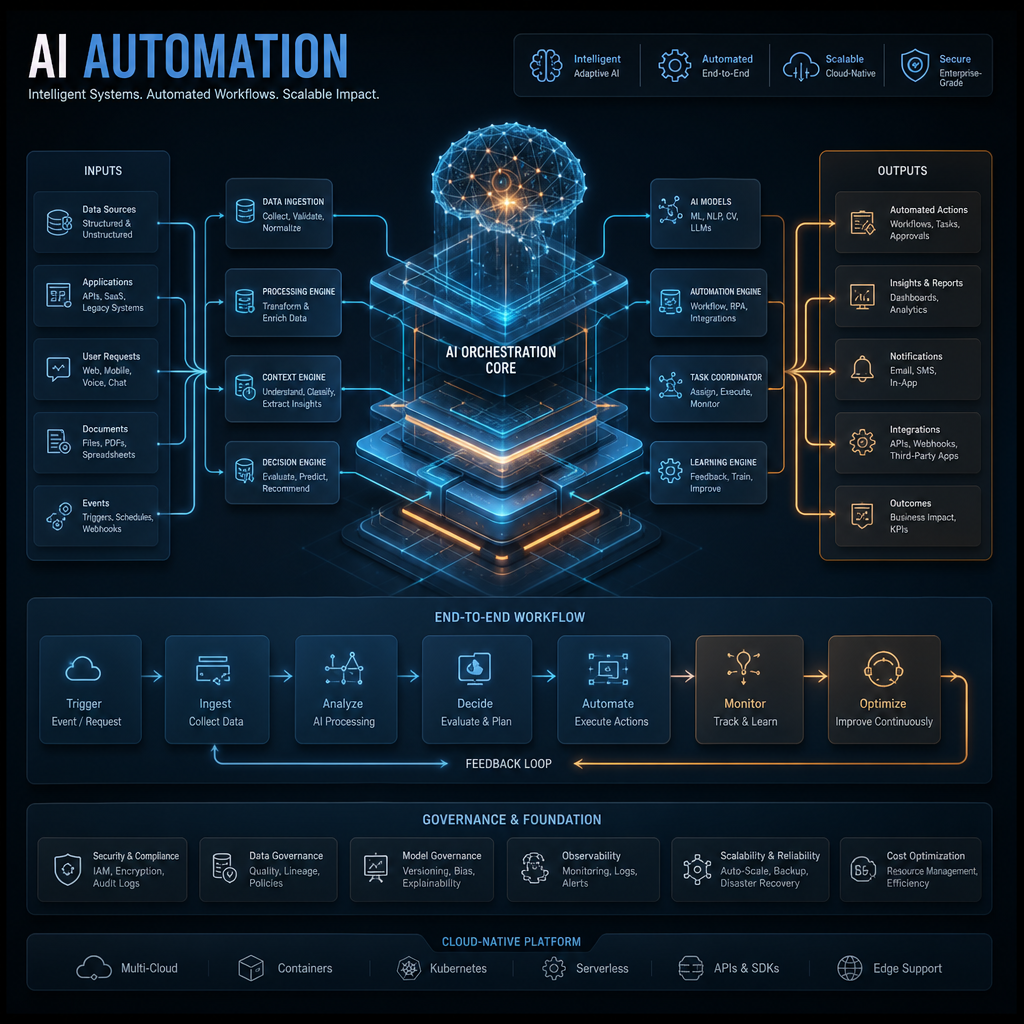
Figure 1: Strategic Architecture & Execution Blueprint for AI Automation
Implementing AI Automation requires a structured approach. Begin by identifying processes that can benefit from automation, such as data entry, customer support, or inventory management. Next, select the appropriate AI technologies that align with specific business needs.
Develop a strategy that includes pilot projects to assess AI’s impact on your operations. This involves setting clear objectives and metrics to measure success. Engage with stakeholders throughout this process to ensure alignment and address any concerns. A phased implementation allows for adjustments and scalability as the benefits become evident. Empirical studies and authoritative industry methodologies are documented extensively by Search Engine Journal best practices.
Key Insight: Utilize tools like robotic process automation (RPA) for immediate efficiency gains and integrate AI for strategic, long-term transformation.
AI Automation is not a one-size-fits-all solution. Specialized techniques, such as federated learning, allow AI systems to learn across decentralized data sources, enhancing privacy and security. In countries like India, where data privacy is a growing concern, this approach can be particularly beneficial. Organizations seeking sustained competitive performance should also examine our guide on Mastering SEO & Content Writing: Strategies for 2026.
Advanced considerations also include ethical AI practices, ensuring that automated systems operate without bias. Regular audits and compliance with regulations such as GDPR in the UK and similar standards in the USA are critical to maintaining trust and legality in AI deployments.
5. Practical Benefits, Value & Tangible Outcomes
AI Automation offers numerous benefits, including cost reduction, increased accuracy, and enhanced productivity. By automating repetitive tasks, businesses can redirect human resources to more strategic roles, fostering innovation and growth.
For instance, the use of AI in customer service can significantly reduce response times and improve customer satisfaction. In the manufacturing sector, AI-driven predictive maintenance minimizes downtime by anticipating equipment failures before they occur, thus enhancing ROI strategies across industries. For detailed global standards and foundational research, consult the comprehensive guidance published by Moz SEO Learning Center.
6. Real-World Applications & Practical Case Study
Consider a multinational retail company operating in the USA and UK that implemented AI Automation in its supply chain. By integrating AI-driven analytics, the company optimized its inventory management, reducing waste by 30% and improving delivery times by 20%. This resulted in significant cost savings and a more agile response to market demands.
In India, a financial services firm utilized AI Automation to streamline its customer onboarding process. By automating document verification and data entry, the firm reduced processing time from days to minutes, enhancing customer experience and operational efficiency.
To successfully implement AI Automation, follow these steps: 1. Conduct a thorough needs assessment to identify automation opportunities. 2. Choose the right AI technologies that fit your business requirements. 3. Develop a pilot program to test AI solutions in a controlled environment. 4. Analyze pilot results and refine strategies for larger-scale deployment. 5. Train employees to work alongside AI systems, emphasizing collaboration.
6. Monitor AI system performance regularly and make data-driven adjustments. 7. Ensure compliance with regional regulations and ethical AI standards. 8. Scale successful projects to other business areas to maximize impact. Analytical data and long-term sector trend analysis can be further evaluated through W3C Web Standards.
8. Common Mistakes, Misconceptions & Critical Pitfalls to Avoid
One common mistake is underestimating the complexity of AI implementations. Businesses often overlook the importance of robust data management and quality. Ensure that data used for AI training is accurate and representative of real-world scenarios.
Another pitfall is failing to integrate AI systems with existing IT infrastructure, leading to siloed operations. It’s crucial to have a seamless integration plan. Additionally, misconceptions about AI replacing jobs can hinder adoption. Instead, focus on how AI can augment human capabilities, freeing employees for more strategic roles.
9. Frequently Asked Questions (FAQ)
1. What is AI Automation and how does it differ from traditional automation?
AI Automation involves the use of artificial intelligence to perform tasks that require human-like decision-making abilities, unlike traditional automation that relies on pre-defined rules and scripts. AI can adapt to new data inputs and improve over time, offering enhanced flexibility and capability.
2. How can AI Automation drive business transformation?
AI Automation drives business transformation by optimizing processes, enhancing efficiency, and enabling data-driven decision-making. It allows businesses to innovate and scale operations rapidly, thus significantly impacting growth and competitive advantage.
3. What are the key considerations for implementing AI Automation in a business?
Key considerations include assessing business needs, selecting appropriate AI technologies, ensuring data quality, and maintaining compliance with regulations. It is also crucial to engage stakeholders and provide training to employees for smooth integration.
4. Can small businesses benefit from AI Automation, and how?
Yes, small businesses can benefit from AI Automation by automating repetitive tasks, improving customer interactions, and gaining insights through data analytics. AI tools can be scaled to fit small business budgets and needs, providing a competitive edge.
5. What are the future trends in AI Automation for 2026?
Future trends include increased use of AI in personalization, advanced predictive analytics, and enhanced AI-human collaboration. As technology evolves, AI Automation will become more accessible and integrated into everyday business operations, driving innovation and efficiency.
10. Conclusion and Expert Recommendations
AI Automation is a powerful tool for business transformation in 2026, offering numerous benefits from cost savings to enhanced operational efficiency. To capitalize on these advantages, businesses in India, the USA, and the UK should develop a clear strategy, prioritize data quality, and ensure ethical AI practices.
For further insights and strategic guidance, explore the resources available at gabbarinfo_digital_solutions, and transform your approach to business growth with AI-driven solutions.