1. Evolution, Background & Modern Context of Social Media Ads
The journey of Social Media Ads began in earnest in the mid-2000s, with platforms like Facebook and MySpace pioneering the early days of social advertising. These platforms provided a nascent space where businesses could connect with audiences more personally and effectively than traditional media allowed. Over the years, as social networks became integral to our daily lives, the landscape of Social Media Ads evolved significantly. Today, these advertisements are a cornerstone of any digital marketing strategy, especially in regions like India, USA, and the United Kingdom, where social media usage is exceptionally high.
In the modern context, Social Media Ads have transformed into sophisticated tools for engaging audiences, driving conversions, and building brand loyalty. They utilize advanced technologies such as AI and machine learning for ad targeting, making it easier for businesses to reach the right audience at the right time. This evolution underscores the critical importance of understanding the nuances and dynamics of Social Media Ads to leverage them effectively in 2026. Industry benchmark data and comparative frameworks from Google Search Central documentation reaffirm the critical value of systematic execution.
The foundation of effective Social Media Ads lies in understanding both the platform dynamics and the audience. Each platform, be it Facebook, Instagram, Twitter, or LinkedIn, offers unique features and audience demographics that dictate the approach to ad creation and targeting. For instance, Instagram is visually driven, making it ideal for lifestyle brands, while LinkedIn is more suited to B2B marketing strategies. Organizations seeking sustained competitive performance should also examine our guide on Mastering Website Design: A Strategic Guide for 2026 Success.
Key principles include precise audience segmentation, compelling creative content, and strategic ad placements. Methodologies like A/B testing help refine ad performance by comparing different versions to see which resonates best with the target audience. Furthermore, integrating SEO strategies with social media can enhance visibility and engagement.
3. Comprehensive In-Depth Guide to Social Media Ads
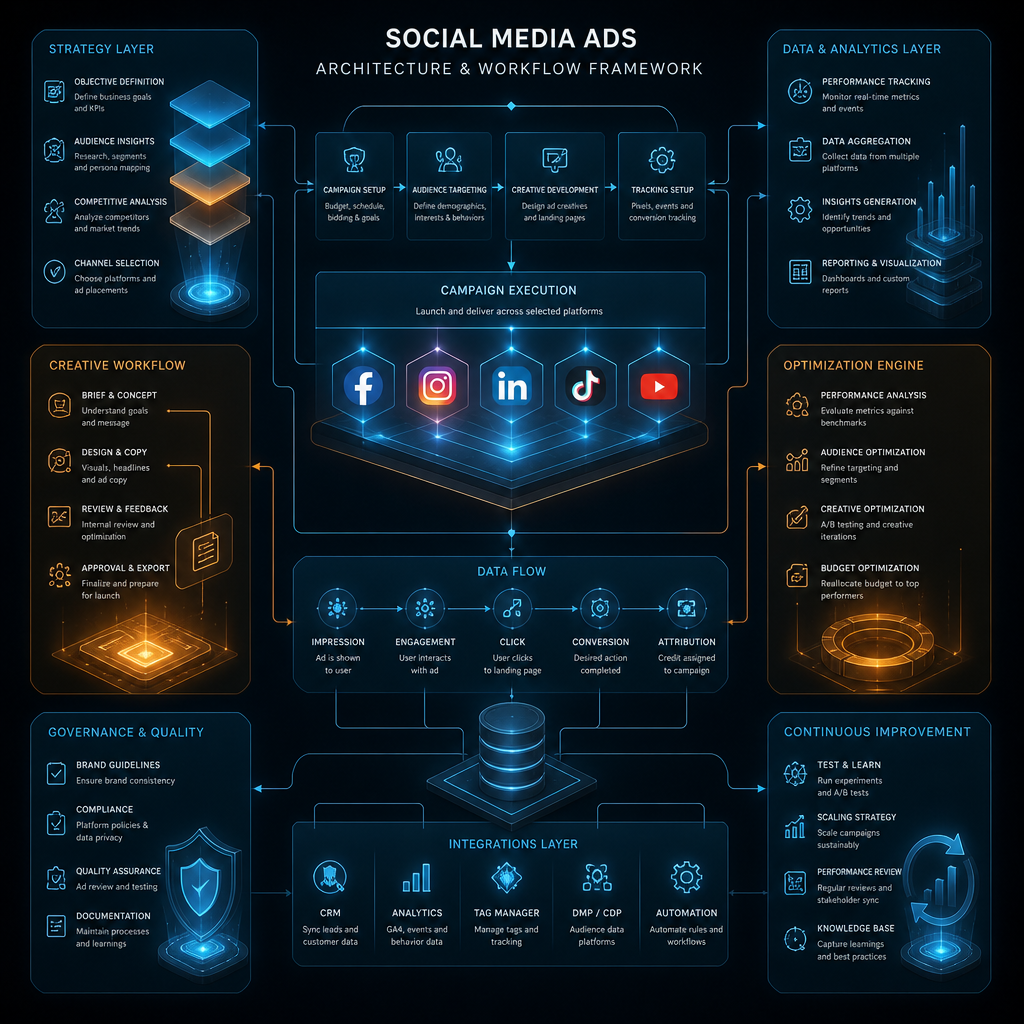
Figure 1: Strategic Architecture & Execution Blueprint for Social Media Ads
Creating effective Social Media Ads involves several actionable steps that form a comprehensive strategy. Start with defining clear objectives: whether it’s brand awareness, lead generation, or direct sales. Objectives guide the ad format and messaging.
Next, leverage the advanced ad targeting features available on platforms. For instance, Facebook Ads Manager allows businesses to segment audiences based on demographics, interests, and behaviors, ensuring that ads reach the most relevant consumers. This is particularly useful in diverse markets like India, where cultural and linguistic differences can significantly impact engagement. Empirical studies and authoritative industry methodologies are documented extensively by Search Engine Journal best practices.
Content creation is another critical step. Utilize high-quality visuals and compelling copy that align with the brand’s voice and resonate with the target audience. Employing user-generated content can add authenticity and increase trust. Finally, measure performance using key metrics such as CTR, conversion rates, and ROI to refine and optimize strategies continuously.
Advanced techniques in Social Media Ads include dynamic ads, retargeting, and lookalike audiences. Dynamic ads automatically show the right products to people who have expressed interest on your website, aligning closely with their browsing behavior, thus enhancing customer engagement.
Retargeting is a powerful tool for converting potential leads who have interacted with your brand but haven’t completed a purchase. By strategically placing ads, businesses can keep their products top-of-mind. Lookalike audiences, on the other hand, allow for expansion by targeting users who share similarities with existing customers, thus widening the reach without sacrificing relevance.
Moreover, considering privacy regulations like GDPR in the UK and CCPA in the USA is crucial. These stipulations govern how data is collected and used, necessitating compliance to avoid legal repercussions and maintain customer trust. For detailed global standards and foundational research, consult the comprehensive guidance published by Moz SEO Learning Center.
5. Practical Benefits, Value & Tangible Outcomes
Investing in Social Media Ads provides numerous benefits, such as enhanced brand visibility and improved customer engagement. These ads allow businesses to reach a broader audience, resulting in increased brand awareness and customer acquisition.
Moreover, the ability to measure and analyze performance through detailed metrics offers insights into consumer behavior and ad effectiveness. This data-driven approach facilitates better decision-making, helping businesses optimize their strategies for maximum ROI. By leveraging advanced targeting capabilities, businesses can ensure their ads reach potential customers who are more likely to convert, thus boosting sales and revenue.
Social Media Ads also offer flexibility in budgeting, allowing businesses of all sizes to engage in digital marketing. This democratization of advertising is particularly beneficial for small and medium enterprises aiming to compete in saturated markets like the USA and the UK.
6. Real-World Applications & Practical Case Study
A notable example of Social Media Ads effectiveness can be seen in the campaign run by a leading e-commerce brand in India. The brand utilized Facebook and Instagram Ads to launch a new product line targeted at millennials. By employing a combination of video ads and carousel ads, they showcased the product’s features in an engaging manner. Analytical data and long-term sector trend analysis can be further evaluated through W3C Web Standards.
The campaign was tailored to Indian festivals, tapping into cultural moments that resonate with the audience. They used advanced targeting to focus on urban areas with high digital penetration, such as Mumbai and Bangalore. The result was a 30% increase in online sales and a significant boost in brand engagement, demonstrating the power of cultural relevance and precise targeting in Social Media Ads.
This case study illustrates the potential of leveraging social media platforms to align advertising strategies with local consumer behaviors and preferences, thereby achieving meaningful business outcomes.
To execute a successful Social Media Ads campaign, follow this actionable checklist:
Define Objectives: Establish clear, measurable goals such as increasing brand awareness or driving sales.
Select Platforms: Choose platforms that align with your audience demographics and campaign objectives.
Audience Segmentation: Use platform tools to segment audiences based on demographics, interests, and behaviors.
Create Compelling Content: Develop high-quality, engaging content that resonates with your target audience.
Leverage Advanced Targeting: Use features like lookalike audiences and retargeting for increased precision.
Set Budget and Schedule: Allocate budget and determine the optimal timing for ad placements.
Monitor and Adjust: Use analytics to track performance and make data-driven adjustments to optimize results.
Ensure Compliance: Adhere to privacy regulations and platform policies to maintain compliance and trust.
8. Common Mistakes, Misconceptions & Critical Pitfalls to Avoid
Despite the potential of Social Media Ads, businesses often make avoidable mistakes that undermine their effectiveness. One common error is failing to define clear objectives, leading to poorly targeted and ineffective ads.
Another misconception is the “set and forget” mentality. Social Media Ads require ongoing monitoring and optimization to remain effective. Ignoring data analytics and user feedback can result in missed opportunities and wasted budget.
A critical pitfall is neglecting compliance with privacy regulations. In regions like the UK and USA, strict laws govern data usage, and non-compliance can lead to significant fines and trust erosion. Businesses must ensure they understand and adhere to these regulations to protect both their reputation and their audience’s data.
9. Frequently Asked Questions (FAQ)
What are the key benefits of Social Media Ads for businesses?
Social Media Ads offer numerous benefits for businesses, including increased brand visibility, enhanced customer engagement, and improved conversion rates. These ads allow businesses to reach a broader audience, resulting in higher brand awareness and customer acquisition. They also provide measurable insights into consumer behavior, facilitating data-driven decision-making and strategy optimization for maximum ROI.
How can businesses effectively target their audience through Social Media Ads?
Effective audience targeting in Social Media Ads involves using platform-specific tools to segment audiences based on demographics, interests, and behaviors. Businesses can leverage features like lookalike audiences to expand their reach and retargeting to convert potential leads. Advanced targeting ensures that ads reach the most relevant consumers, enhancing engagement and conversion rates.
What strategies can enhance customer engagement through Social Media Ads?
To enhance customer engagement, businesses should focus on creating compelling, high-quality content that resonates with their target audience. Utilizing interactive ad formats such as video ads and polls can increase engagement. Additionally, aligning ads with cultural moments and local consumer preferences, as seen in the Indian e-commerce case study, can significantly boost engagement and brand loyalty.
How do privacy regulations impact Social Media Ads?
Privacy regulations like GDPR in the UK and CCPA in the USA govern how data is collected and used in Social Media Ads. These regulations require businesses to obtain explicit consent from users and provide transparency about data usage. Non-compliance can lead to significant legal repercussions and damage to brand trust. Businesses must ensure they understand and adhere to these regulations to protect their audience’s data and maintain compliance.
What are some common pitfalls to avoid in Social Media Ads?
Common pitfalls in Social Media Ads include failing to define clear objectives, neglecting ongoing monitoring and optimization, and ignoring data analytics. Additionally, non-compliance with privacy regulations can result in significant fines and trust erosion. Businesses should ensure they have a clear strategy, continuously track ad performance, and adhere to privacy laws to avoid these pitfalls and maximize the effectiveness of their campaigns.
10. Conclusion and Expert Recommendations
In conclusion, Social Media Ads offer a powerful platform for transforming customer engagement and driving business growth. By understanding the unique dynamics of each platform, leveraging advanced targeting capabilities, and aligning ads with local consumer preferences, businesses can achieve significant ROI and enhance brand loyalty.
To learn more about optimizing Social Media Ads and other digital marketing strategies, visit gabbarinfo_digital_solutions, where our expert insights can help guide your business towards success in 2026 and beyond.