1. The Strategic Evolution of Revenue Growth in 2026
In 2026, the landscape of revenue growth is marked by rapid technological advancements, shifting consumer behaviors, and a more interconnected global economy. Businesses are increasingly embracing digital transformation to remain competitive, leveraging data analytics and artificial intelligence to uncover new revenue streams. The strategic approach to revenue growth now requires a deeper understanding of market dynamics, customer preferences, and technological trends.
Industry discovery has moved beyond traditional market research to incorporate real-time data analytics, allowing companies to adapt swiftly to market shifts. This evolution demands that businesses not only focus on immediate revenue gains but also foster sustainable growth through innovation and adaptability. Companies need to navigate complex market environments by investing in emerging technologies and adopting customer-centric strategies.
The foundation of strategic revenue growth lies in understanding key methodologies such as the customer journey, value proposition optimization, and precise attribution models. Businesses must map out customer touchpoints to craft personalized experiences that drive engagement and loyalty. Operational mechanics involve leveraging CRM systems and marketing automation tools to streamline processes and enhance customer interactions.
Strategic principles include setting clear objectives, identifying target markets, and aligning organizational resources with revenue goals. Attribution frameworks play a crucial role in understanding the impact of different marketing channels on revenue growth. As detailed in our guide to digital marketing for business growth, accurate attribution models help in allocating resources effectively across campaigns.
3. High-Converting Campaign Architecture & Execution Systems
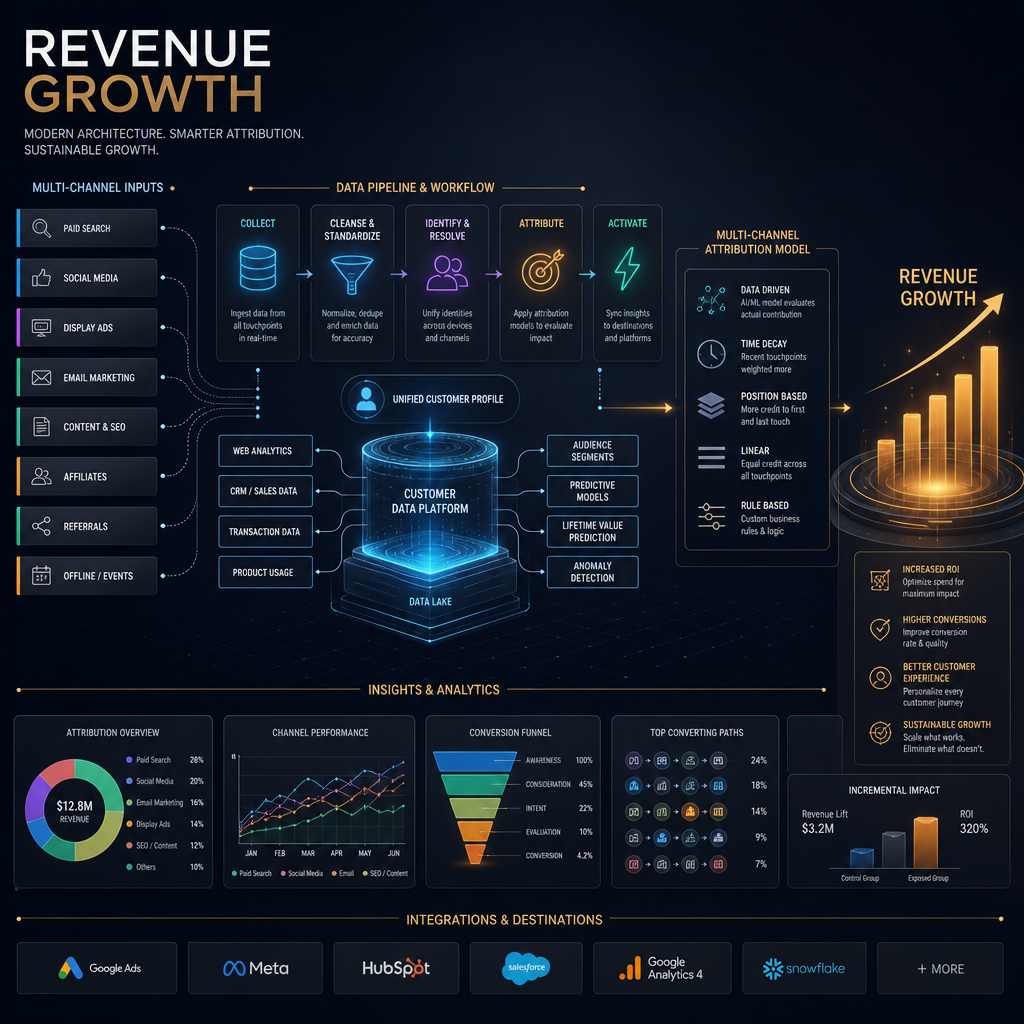
Figure 1: Strategic Architecture & Execution Blueprint for Revenue Growth
Developing a high-converting campaign architecture involves a blend of structural frameworks and operational formulas. Businesses must focus on audience modeling to tailor campaigns that resonate with specific customer segments. This involves using data-driven insights to create detailed customer personas and predict purchasing behaviors.
Execution systems should incorporate multi-channel strategies that integrate online and offline efforts, ensuring a consistent brand message across platforms. Marketers need to employ A/B testing, consumer feedback loops, and iterative design processes to refine campaigns continuously. As highlighted in our guide on high-performance Google Ads management, the emphasis should be on scaling ROAS and driving predictable revenue.
Furthermore, leveraging influencers and brand advocates can amplify reach and credibility, enhancing campaign effectiveness. By aligning creative content with consumer aspirations and deploying precise targeting techniques, businesses can significantly boost conversion rates.
Robust technology infrastructure is essential for mastering analytics and conversion optimization. Businesses must invest in modern tools and platforms that facilitate real-time data collection and analysis. This includes advanced analytics software, machine learning algorithms, and AI-driven insights to predict market trends and consumer behaviors.
Measurement accuracy is critical; thus, employing comprehensive dashboards to track key performance indicators (KPIs) is mandatory. These tools enable businesses to make informed decisions based on empirical evidence, enhancing conversion rates and overall efficiency. The integration of AI with CRM systems can significantly enhance customer experience by providing personalized recommendations and seamless service interactions.
As industries evolve, ensuring that technology infrastructure remains adaptable and scalable will be a significant competitive advantage. This adaptability allows businesses to quickly respond to market demands and technological advancements.
Omnichannel growth funnels are vital for maximizing audience monetization and ensuring sustained revenue growth. Cross-channel synergy involves coordinating marketing efforts across various platforms to provide a cohesive customer journey. This includes integrating social media, email marketing, and in-store experiences to create a seamless interaction path for consumers.
Client retention is another critical factor, as retaining existing customers is often more cost-effective than acquiring new ones. Implementing loyalty programs, personalized communication, and proactive customer service can enhance retention rates. ROI scaling is achieved by analyzing data from omnichannel interactions to identify high-value customers and optimize marketing spend accordingly.
As underscored in our comprehensive guide to SEO optimization, a strategic focus on SEO and content marketing within these funnels can further drive organic growth and audience engagement.
6. In-Depth Real-World Case Study: 0 to 480% Revenue Acceleration
A leading retail brand illustrated an exemplary case of revenue acceleration, achieving a 480% increase within a year. The company began with baseline metrics indicating stagnant growth due to outdated marketing strategies and a lack of digital presence. Strategic interventions were implemented, including a complete overhaul of their digital marketing approach, leveraging data analytics to target new demographics and revamping their e-commerce platform for a better user experience.
By adopting a customer-centric model, the brand focused on enhancing product personalization and developing an omnichannel strategy that included social media, email marketing, and influencer partnerships. The introduction of a robust loyalty program further contributed to increased customer retention and repeat purchases.
The verified commercial gains were substantial, with the company not only seeing a significant increase in revenue but also expanding its market share. The case underscores the importance of digital transformation and the strategic use of analytics in driving exponential growth.
7. Step-by-Step 90-Day Execution Playbook for Hyper-Growth
Achieving hyper-growth requires a structured execution plan. In Month 1, businesses should focus on conducting a comprehensive market analysis and refining their value proposition. This includes identifying target demographics and setting measurable revenue goals. Concurrently, businesses must audit their current marketing strategies to pinpoint areas for improvement.
Month 2 should prioritize implementing advanced analytics tools and refining audience segmentation. Launching targeted marketing campaigns across multiple channels and leveraging A/B testing to optimize messaging and design are crucial steps during this period.
In Month 3, the focus shifts to scaling successful strategies and optimizing customer experiences. This involves deepening client relationships through personalized communications and expanding reach through partnerships and collaborations. Continuous monitoring and adjustment based on performance metrics will ensure sustained revenue growth beyond the initial 90 days.
8. 5 Critical Pitfalls & Costly Strategic Mistakes to Avoid
One critical pitfall is neglecting data-driven decision-making. Relying on assumptions rather than empirical data can lead to misguided strategies. Businesses must invest in data analytics to inform their decisions. Another common mistake is failing to adapt to technological advancements, which can render a business obsolete in a rapidly evolving market.
Overlooking customer feedback is another costly error. Engaging with customers and implementing their feedback can lead to improved products and services. Additionally, inconsistent brand messaging across channels can confuse customers and dilute brand identity. Ensuring coherence across all marketing efforts is essential.
Lastly, focusing solely on acquisition without considering retention can limit long-term growth. Balancing efforts between attracting new customers and retaining existing ones is key to sustainable revenue growth. For further insights, our article on lead generation strategies for 2026 provides additional strategies to enhance customer acquisition and retention.
9. Frequently Asked Questions (FAQ)
1. What are the most effective strategies for revenue growth in 2026?
In 2026, effective strategies for revenue growth include leveraging data analytics for market insights and personalized customer experiences. Companies should invest in advanced technologies like AI and machine learning to optimize marketing campaigns and improve customer service. Additionally, adopting an omnichannel approach ensures consistent engagement across all platforms, enhancing customer retention and expanding market reach.
Another strategy is to focus on innovation and adaptability, allowing businesses to quickly respond to market changes and customer needs. Implementing robust CRM systems can further enhance customer relationship management, leading to increased loyalty and repeat purchases.
2. How important is customer retention compared to acquisition for revenue growth?
Customer retention is often more cost-effective and crucial for sustainable revenue growth compared to acquisition. Retaining existing customers requires fewer resources and can lead to higher profitability due to repeat purchases and brand loyalty. Businesses should focus on improving customer satisfaction and engagement through personalized experiences and loyalty programs.
However, acquisition remains important for expanding market share and reaching new demographics. A balanced approach that integrates both retention and acquisition strategies will yield the best results.
3. What role does technology play in driving revenue growth?
Technology plays a pivotal role in driving revenue growth by enabling businesses to collect and analyze data more efficiently, automate processes, and reach customers through digital channels. Technologies like AI and machine learning can enhance marketing strategies by predicting consumer behaviors and personalizing customer interactions.
Investing in a robust technology infrastructure allows businesses to remain agile and responsive to market trends, providing a significant competitive advantage in achieving revenue growth.
4. What are the common mistakes businesses make in their revenue growth strategies?
Common mistakes include neglecting data-driven decision-making, failing to adapt to technological changes, and overlooking customer feedback. Businesses often focus too heavily on acquisition while neglecting retention, which can limit long-term growth. Inconsistent brand messaging across channels also poses a significant risk by confusing customers and diluting brand identity.
Addressing these issues involves investing in analytics, maintaining technological agility, engaging with customers, and ensuring consistent messaging across all marketing efforts.
5. How can businesses measure the success of their revenue growth strategies?
Businesses can measure the success of their revenue growth strategies by tracking key performance indicators (KPIs) such as sales revenue, customer acquisition cost, customer lifetime value, and conversion rates. Employing analytics tools to monitor these metrics in real-time allows businesses to make informed adjustments to their strategies.
Regularly reviewing these KPIs against set objectives helps ensure that the strategies are aligned with overall business goals and driving the desired revenue growth.
10. Strategic Conclusion and Actionable Roadmap for 2026
In conclusion, mastering revenue growth in 2026 requires an integrated approach that combines data analytics, technology, and customer-centric strategies. Businesses must focus on creating personalized experiences, leveraging omnichannel marketing, and fostering innovation to stay ahead of market trends.
As you navigate this landscape, partnering with gabbarinfo_digital_solutions can provide the expertise and tools necessary to implement these strategies effectively. Embrace the opportunities of 2026 with confidence and drive your business towards unprecedented revenue growth.